

How to Choose the Right MDVR System for Your Fleet (4CH, 8CH, 4G & AI Explained)
For many fleets, cameras + MDVR are now standard – not only for safety, but also for recording evidence, live tracking and driver coaching.
But when you start choosing an MDVR, you quickly see a lot of options: 4-channel, 8-channel, HDD, SD card, 4G, Wi-Fi, GPS, AI…
This guide will help you understand the key points so you can choose the right MDVR system for your trucks, buses, forklifts or special vehicles.
Tip: If you’re already using Xinvisual vehicle cameras and monitors, choosing an MDVR that matches your existing AHD/CVBS format will make integration much easier.
1. What Does an MDVR Actually Do?
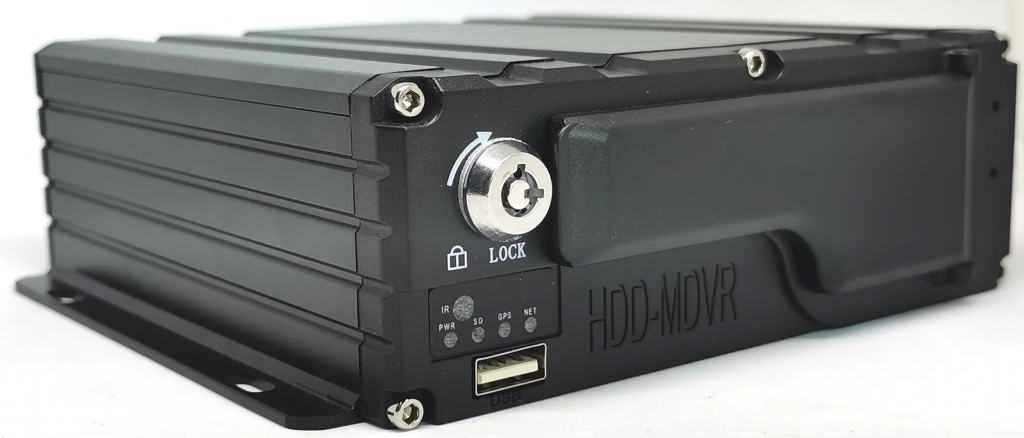
An MDVR (Mobile Digital Video Recorder) is the “brain” of your vehicle camera system. It:
-
Records video from multiple cameras (front, rear, side, in-cabin, forklift view)
-
Stores footage to SD card and/or HDD/SSD
-
Can add 4G for remote viewing and alerts
-
Often includes GPS tracking, G-sensor, I/O input, and alarm outputs
-
Can integrate with AI ADAS/DMS/BSD functions for advanced safety
Instead of just seeing live video on a monitor, an MDVR lets you review incidents, coach drivers and protect your company during disputes.
2. 4CH vs 8CH – How Many Channels Do You Really Need?
The first big decision: how many camera channels?
4-Channel MDVR – Good for:
-
Small trucks & vans – front, rear and two side cameras
-
Forklifts & warehouse equipment – mast view, rear view, load view, cabin view
-
Simple bus/coach setups – front, rear, stair door and inside cabin
Choose 4CH if:
-
You are upgrading from a basic 1–2 camera system
-
You don’t need full 360° coverage or many special cameras
-
Budget is tight but you still want recording and GPS
8-Channel MDVR – Better for:
-
City buses and school buses – front, rear, doors, aisle, driver, side blind spots
-
Large trucks & articulated vehicles – multiple side cameras + trailer view
-
High-risk applications – fuel, chemicals, valuables, public transport
Choose 8CH if:
-
You want complete coverage of inside + outside
-
You plan to add more cameras in future (e.g. AI BSD side camera later)
-
You need to meet stricter safety or compliance requirements
If you’re not sure, going for 8CH is a safe long-term choice: you can start with fewer cameras and add more later as your fleet grows.
3. Storage Options – SD Card, HDD or Both?
Storage decides how many days of video you can keep.
SD Card Recording
-
Simple and cost-effective
-
Easy to remove and swap
-
Capacity typically up to 128–256 GB (per card)
Best for:
-
Small fleets with fewer vehicles
-
Short retention needs (e.g. 3–7 days of recordings)
-
Forklifts and small machines inside warehouses
HDD / SSD Recording
-
Much larger capacity (up to 1–2 TB or more)
-
Better for long-distance trucks, buses and long retention periods
-
SSD offers higher shock resistance than traditional HDD
Best for:
-
Long-haul fleets that want 15–30 days of video
-
Public transport where incidents can be reported late
-
Regulated industries that must keep records longer
Hybrid Systems (HDD + SD)
Some MDVR models (including Xinvisual’s AHD 1080P MDVR system) support both HDD and SD – HDD as main storage plus SD as backup or event clip storage.
This gives you:
-
Long recordings on HDD
-
Extra safety for critical events on SD, even if HDD is damaged
4. Do You Need 4G, Wi-Fi and GPS?
Modern MDVRs often include connectivity features:
GPS
GPS allows you to:
-
See the vehicle position on a map
-
Link video to speed and route
-
Analyse driver behaviour over time
For most fleets today, GPS is recommended – it adds significant value with little extra cost.
4G / LTE
4G gives you:
-
Live viewing of cameras from a control room or mobile app
-
Instant alerts with snapshots or short clips (harsh braking, door forced open, panic button…)
-
Ability to download recordings remotely without touching the vehicle
This is ideal for:
-
High-value cargo
-
Passenger transport (buses, school vehicles, shuttle fleets)
-
Fleets spread across multiple cities or countries
Wi-Fi
Useful when vehicles return to a depot with Wi-Fi coverage:
-
Automatically upload video (e.g. only events or important segments)
-
Update firmware and configuration without cables
If your vehicles always come back to the same yard, Wi-Fi can reduce 4G data costs.
5. AHD 1080P vs CVBS – Don’t Forget Video Quality
Most fleets are now moving to AHD 720P/1080P because it delivers:
-
Much clearer images compared to old analog CVBS
-
Easier to see number plates, faces and small details
-
Better evidence for insurance and investigation
When choosing an MDVR, check:
-
Does it support AHD 1080P on all channels?
-
Is it backward compatible with your existing CVBS cameras?
Xinvisual’s AHD 1080P MDVR system, for example, is designed to work with both AHD and traditional analog cameras – very useful for gradual upgrades.
6. AI Functions – ADAS, DMS, BSD & More
The latest MDVRs are not just recorders; they’re AI safety platforms. When combined with AI cameras, they can support:
-
ADAS – lane departure, forward collision warning
-
DMS – driver fatigue, distraction alerts
-
BSD / BSIS – blind spot detection for pedestrians and cyclists
If you plan to sell into Europe and the UK, AI functions will help your customers meet upcoming GSR, BSIS and MOIS requirements .
Choose an AI-ready MDVR if:
-
You want to offer premium safety packages
-
Your customers operate in urban areas with vulnerable road users
-
You target school buses, city buses, refuse trucks, construction trucks
7. Practical Checklist Before You Buy
Before you confirm an MDVR model, ask these questions:
-
Vehicle types: Trucks, buses, vans, forklifts, construction machines?
-
Number of cameras per vehicle now – and in 2 years?
-
How many days of video do you want to keep?
-
Do you need live view (4G) or is local recording enough?
-
Is GPS tracking important for your customers?
-
Do you want to offer AI functions (ADAS, DMS, BSD) now or later?
-
Are your cameras currently AHD, CVBS or mixed?
Once you have these answers, it becomes much easier to select between:
-
4CH vs 8CH
-
SD vs HDD vs hybrid
-
Basic MDVR vs AI + 4G MDVR
8. How Xinvisual Can Help
-
A full range of AHD 720P/1080P cameras (front, rear, side, dome, BSD AI camera)
This means you can offer a complete, compatible solution from one manufacturer – easier for installation, warranty and long-term support.
If you’d like to build a tailored MDVR package for your fleet or for your customer’s project, feel free to contact us and share:
-
Vehicle type & quantity
-
Application scenario
-
Required channels & functions
We’ll help you design a simple, reliable and future-proof MDVR solution.